

service-details

Phase I Clinical Trials: Is It Safe?​

Phase I trials are the first time a new treatment is tested in people — with a small group of participants and a sharp focus on safety.

When a new treatment is ready for its very first test in humans, it starts with a Phase I clinical trial. These are the early steps of the journey — where caution, safety, and close monitoring take priority over everything else.​​

Researchers use these early studies to understand how a treatment behaves in the body, what dose is safe, and what side effects might occur.

Let's break down what Phase I is, who it’s for, what to expect, and why your participation is so important, not just for science, but for everyone who comes after you.
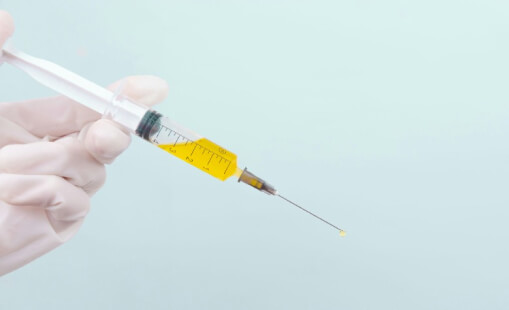

A Phase I trial is the first stage of clinical research in people. Before this point, a potential new treatment has only been tested in labs or animals. Now, it needs real-world testing — starting with a small group of volunteers.

These trials are designed to answer one main question:Is it safe?

Key goals of a Phase I trial:

  • Find the safest dose to give people
  • Understand how the drug is absorbed and processed in the body
  • Identify any immediate or serious side effects
  • Learn how best to deliver the treatment (pill, injection, infusion, etc.)

Phase I trials typically involve 20 to 100 participants — sometimes healthy volunteers, and sometimes patients with the condition being targeted.

Because safety is the top priority, Phase I trials are closely supervised. Participants are often monitored intensively, especially in the early days.

You may be asked to:

  • Stay overnight in a clinic or research facility for observation
  • Provide regular blood samples and health data
  • Follow detailed instructions around food, activity, or other medications
  • Report any side effects in real time

Some trials are done in a single day, others last several weeks — it depends on the treatment being studied.

You’ll be informed of all the procedures up front, and you can withdraw at any time.

This is an important question — and the honest answer is: maybe, but not always.

Phase I trials are mainly focused on safety and dosage. That means the treatment might not yet be effective — and it might not benefit your condition, especially if you’re healthy and volunteering to help science move forward.

But your participation could:

  • Help shape the future of the treatment
  • Open the door to Phase II and III research
  • Provide valuable safety information that protects future patients
  • Offer financial compensation (in some trials, especially with healthy volunteers)

If you’re living with a serious illness and considering a Phase I study, your doctor and the research team can help you weigh the risks and potential benefits based on your situation.

Safety is the whole point of this phase — but that doesn’t mean there are no risks. Because these treatments are still being understood, there’s always some level of uncertainty.

Before joining, you’ll receive:

  • Full informed consent materials (in plain language)
  • A chance to ask questions about known and unknown risks
  • Information on how the research team will monitor and respond to side effects
  • Details on your right to stop participating at any time

Modern Phase I trials are governed by strict ethical standards, medical oversight, and safety protocols. You’ll never be left alone or unmonitored.

Every medicine you’ve ever taken — from vaccines to cancer therapies to over-the-counter pain relievers — started in Phase I.

These trials are the first proof point: Can this idea safely become a treatment? Can it move forward? Can it help someone someday?

Your participation could be the step that makes future breakthroughs possible — not just for one person, but for thousands.

Many people are surprised to find they won’t always get study results — or that their care ends abruptly. That’s changing, but it’s still worth asking:

Will I get a summary of the trial results?

Will I be told what treatment I received (if it was a blinded study)?

Will I be monitored for any long-term effects?

If the treatment works, can I keep using it?

Will I return to my regular doctor after the study?

Knowing what comes next helps you plan — and helps you decide whether the experience will be worth your time and trust.

Ask lots of questions — about the study, the risks, the procedures, and the time commitment.

Be honest with your doctors about your comfort level and goals.

Make sure you understand what the trial can and can’t offer.

You can say yes, no, or change your mind at any point — it’s always your choice.